April 23, 2026 at 12:00 PM ET
Webinar Recap: Integrating AI Across Research Development and Administration
Streamlining Workflows and Enhancing Proposal Competitiveness
Access Webinar Recording
Please fill out this form to access the recorded webinar.
As proposal requirements become more complex and competition for external funding intensifies, research offices are being asked to move faster with fewer resources. In a recent webinar, Dr. Emily Devereux, CRA shared a practical framework for integrating AI across research development (RD) and research administration (RA) while protecting compliance, policy alignment, and institutional integrity.
Here is a breakdown of her approach to using AI strategically across the full research lifecycle.
The Current Challenge for Research Offices
Growing Complexity Across the Lifecycle
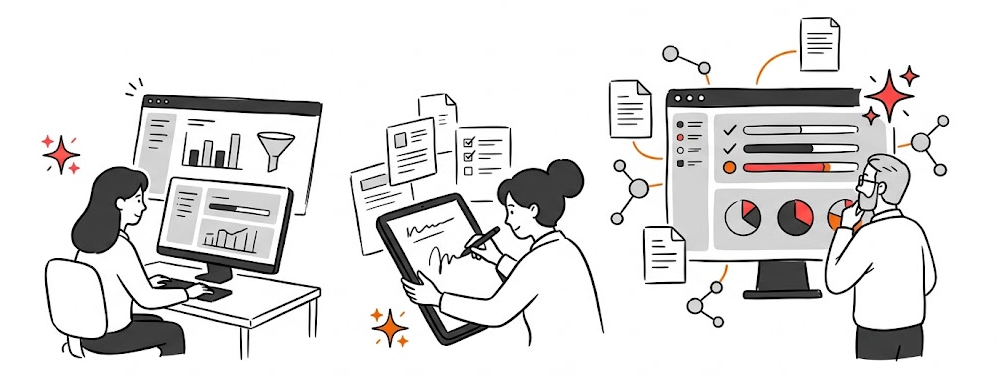
Research teams are navigating more complex proposal requirements, changing sponsor expectations, and heavier compliance burdens across pre-award and post-award functions. At the same time, offices are expected to provide faster, more consistent support to faculty.
The Coordination Gap
One of the biggest operational issues is the handoff problem: RD, RA, and post-award teams often operate in silos. Dr. Devereux emphasized that AI can reduce these gaps by creating shared summaries, checklists, and workflows that travel with a project from early strategy through closeout.
Impact: Better continuity, fewer avoidable errors, and more time for high-value faculty support.
Where AI Delivers the Most Value Today
Opportunity Analysis and Proposal Strategy
AI is highly effective at summarizing NOFOs, extracting requirements, and helping teams assess sponsor fit early. This allows offices to move from reactive grant chasing to more intentional go/no-go decision support.
Proposal Development Support
For in-progress proposals, AI can compare draft content against sponsor criteria, identify potential weaknesses, and generate pre-submission checklists. Used correctly, this speeds internal review cycles and gives faculty clearer revision guidance.
Teaming and Workflow Coordination
AI can assist with early team planning by surfacing likely collaborator profiles, interdisciplinary needs, and potential subaward complexity. This improves planning before deadlines become compressed.
Award and Financial Management
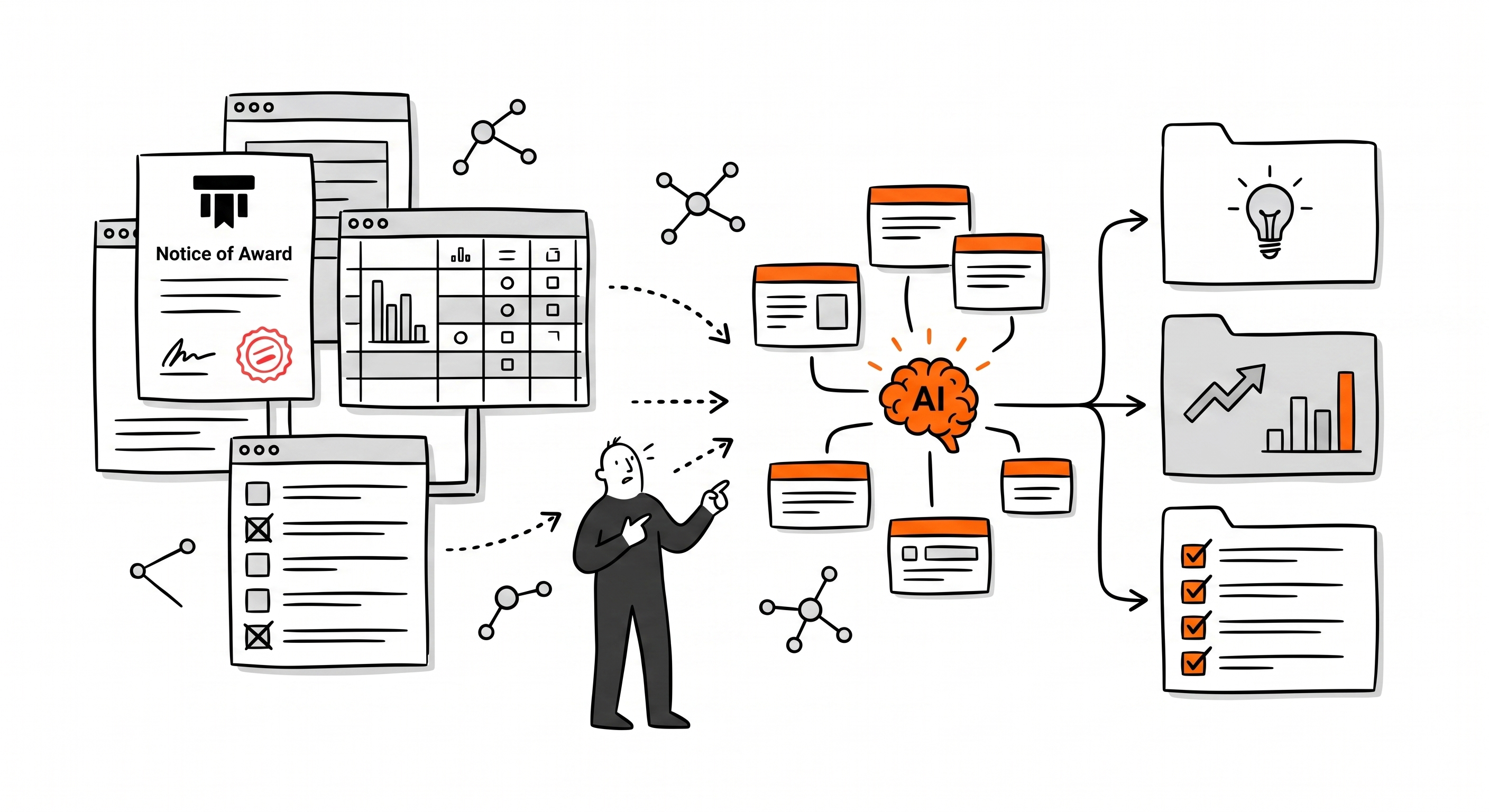
On the post-award side, AI can summarize notice of award language, extract reporting requirements, and help flag early burn-rate risks or budget variance patterns. These uses are especially valuable for producing PI-friendly summaries and proactive monitoring.
The Practical Framework: Use, Oversight, and Limits
Dr. Devereux offered a clear framework for responsible implementation:
What AI Can Do Reliably
AI performs best at summarization, requirement extraction, first-pass review support, and template/checklist generation.
What Requires Human Oversight
Outputs related to compliance risk, proposal strategy, and budget interpretation should always be reviewed by experienced staff before action.
What AI Should Not Replace
Final compliance determinations, policy interpretation, sponsor-specific judgment calls, and official submission authority remain human responsibilities.
Implementation Priorities for RD/RA Teams
Start Small, Then Scale
Begin with low-risk, high-value use cases such as NOFO summaries, internal checklists, and structured review memos. Once teams build confidence and quality controls, expand into more advanced workflows.
Use Approved Systems Only
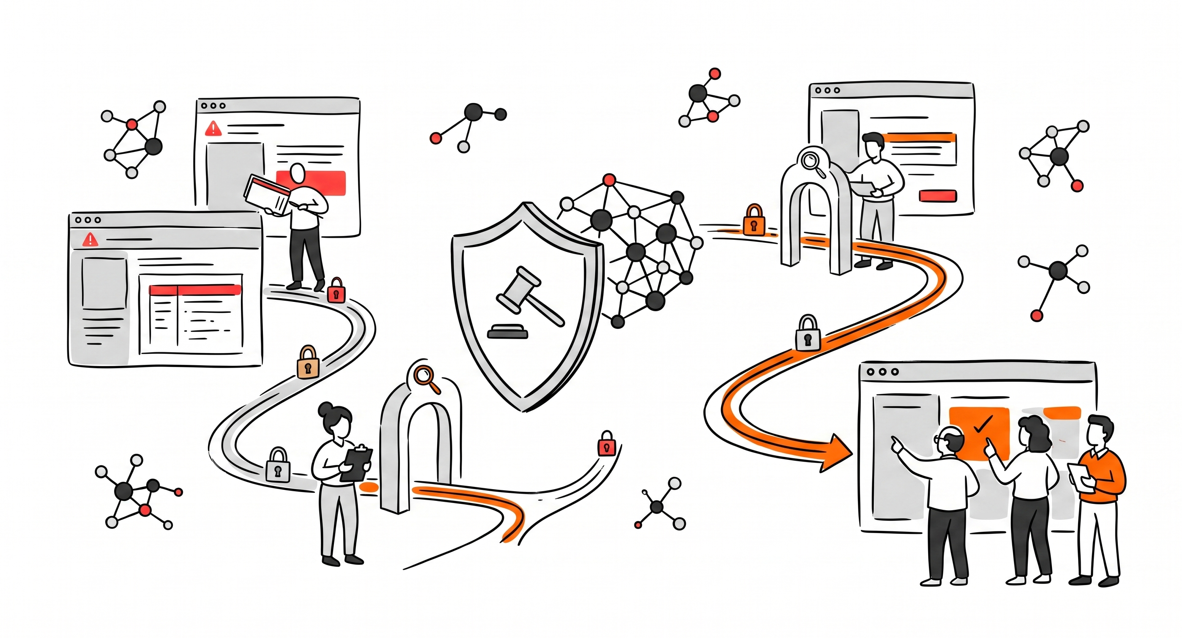
Institutions should use enterprise-approved tools and avoid placing sensitive or regulated data into public AI platforms. Governance alignment with IT, legal, procurement, and sponsor policy is essential.
Keep Human Review Non-Negotiable
AI should accelerate work, not replace expert judgment. Teams need consistent review checkpoints to catch hallucinations, policy nuance misses, and context-specific issues.
Looking Forward
The strongest takeaway from this session is that AI adoption in research offices works best when it is intentional, policy-aware, and grounded in professional expertise. The goal is not automation for its own sake. The goal is to give RD/RA teams more capacity to guide strategy, reduce administrative friction, and support faculty more effectively from opportunity identification through closeout.
Key Takeaway: Treat AI as a force multiplier for experienced teams, and pair every efficiency gain with strong governance and human oversight.
Download the slides here.
Dr. Emily Devereux, CRA
Associate Vice President for Research Development, University of South Carolina
Dr. Devereux oversees strategic research development, research training, and data-informed initiatives. She is the PI of two AI in Research Administration research studies and leads AI training and adoption efforts at USC.
Tomer du Sautoy
Co-Founder, Atom Grants
Tomer comes from a physics and product development background and focuses on building AI-powered tools that help research development and research administration teams navigate complex funding landscapes.