February 26, 2026 at 12:00 PM ET
Webinar Recap: Assessing the Impact of Research Development
and Other Resources From the EMERGE Resource Library
Access Webinar Recording
Please fill out this form to access the recorded webinar.
Note About the Recording
The webinar recording is slightly cut off at the start.
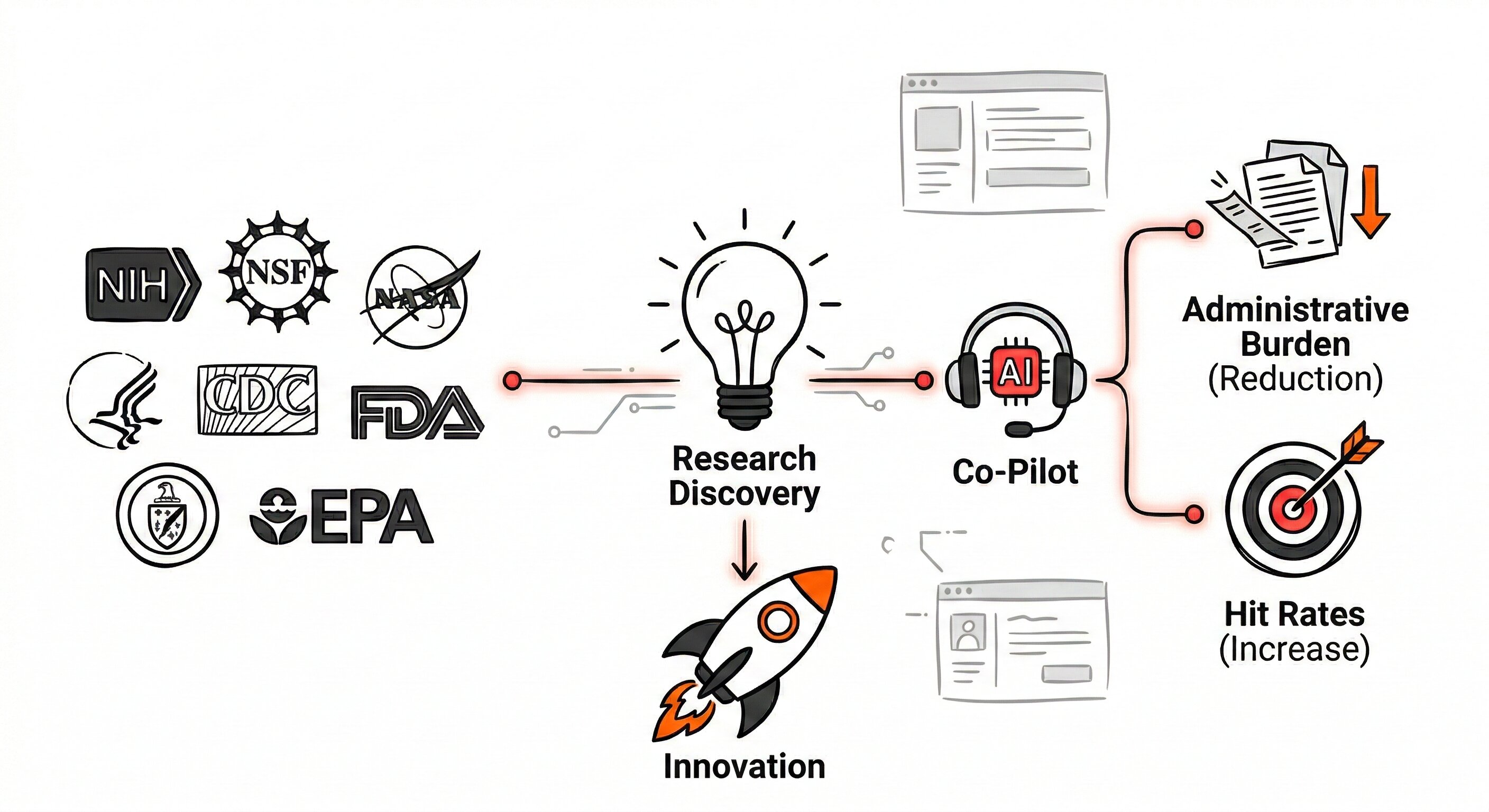
Research development is no longer a mandatory part of the award cycle like pre- or post-award, yet it plays a substantive role in growing an institution's research reputation. In a recent webinar hosted by Atom Grants, Dr. Kimberly Eck, Associate Vice President for Research at Emory University, shared a landmark framework for moving from a reactive state of tracking deadlines to a proactive state of driving discovery.
Here is a breakdown of her approach to evaluating and advocating for the research development function using the EMERGE Resource Library.
The Function-Focused Approach
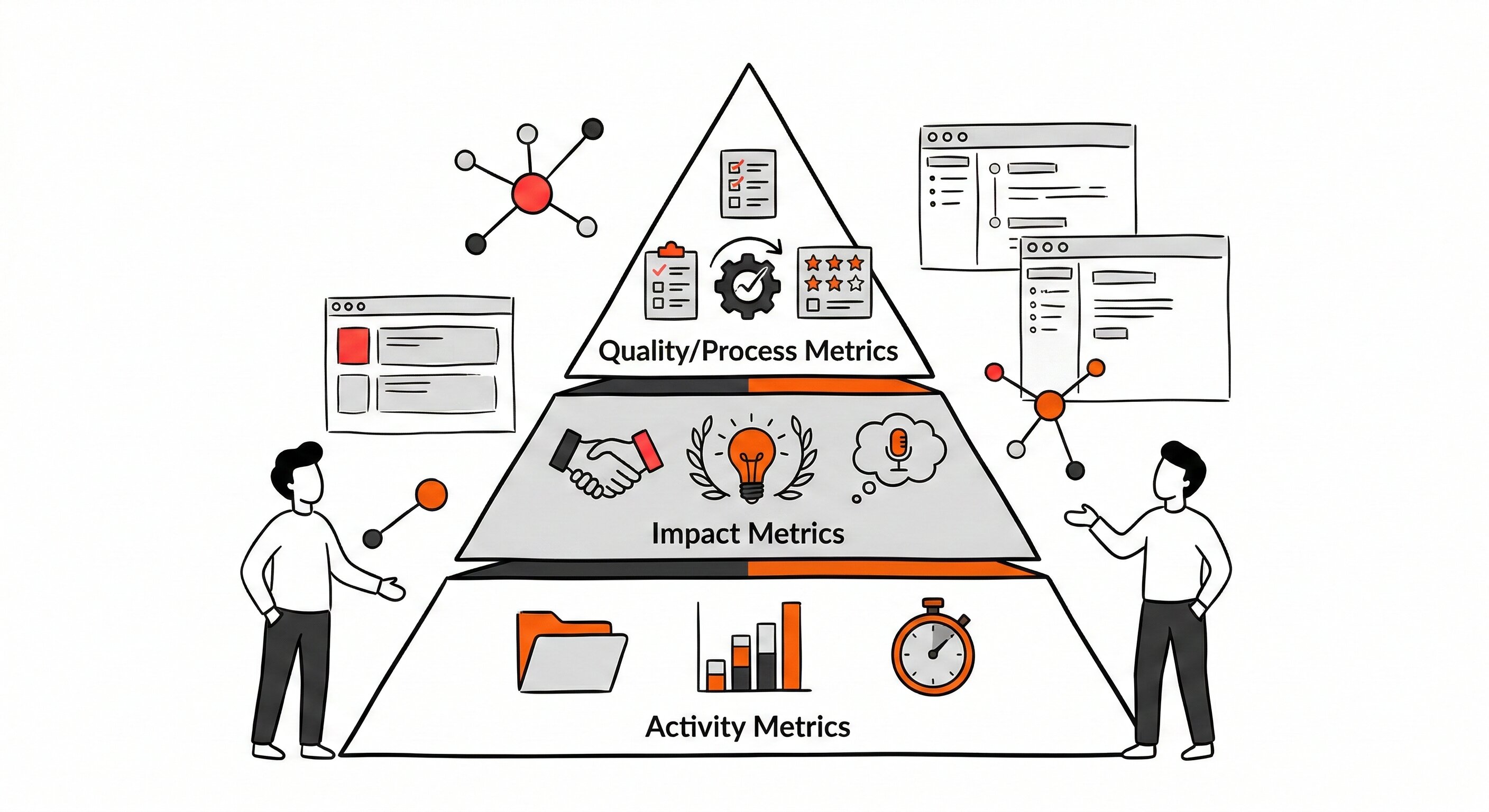
The conversation around assessing RD often gets stuck on simple win/loss rates. Kimberly suggests moving toward a more nuanced, three-tiered approach to metrics. This approach acknowledges the indirect relationship between RD efforts and eventual research outcomes.
The 3-Type Metric Framework
To move from justification to advocacy, Kimberly outlined a framework designed to provide a richer picture of the research ecosystem.
- Activity Metrics: These capture how many, how much, or how often an activity occurs. This includes the number of proposals supported, awards granted, participants at events, and the time spent on specific faculty consultations.
- Impact Metrics: These reflect how the research ecosystem improved because of RD. This is where RD professionals use case studies, faculty testimonials, and storytelling to add depth to the raw numbers.
- Quality and Process Improvement: These focus on indicators of efficiency and effectiveness. While useful for internal operations and making future offerings better, these are often less important for reporting to high-level institutional audiences.
Defining RD Says and Human Accountability
A unique component of the EMERGE guides is the RD Says feature. These are colloquial insights that a professional would whisper to an investigator, explaining what a guideline actually means rather than just what it says.
We try to add those very colloquial insights... as if a research development person was sitting there across the table.
Real-World Use Case: The ARPA-H "Jill Biden" Moment
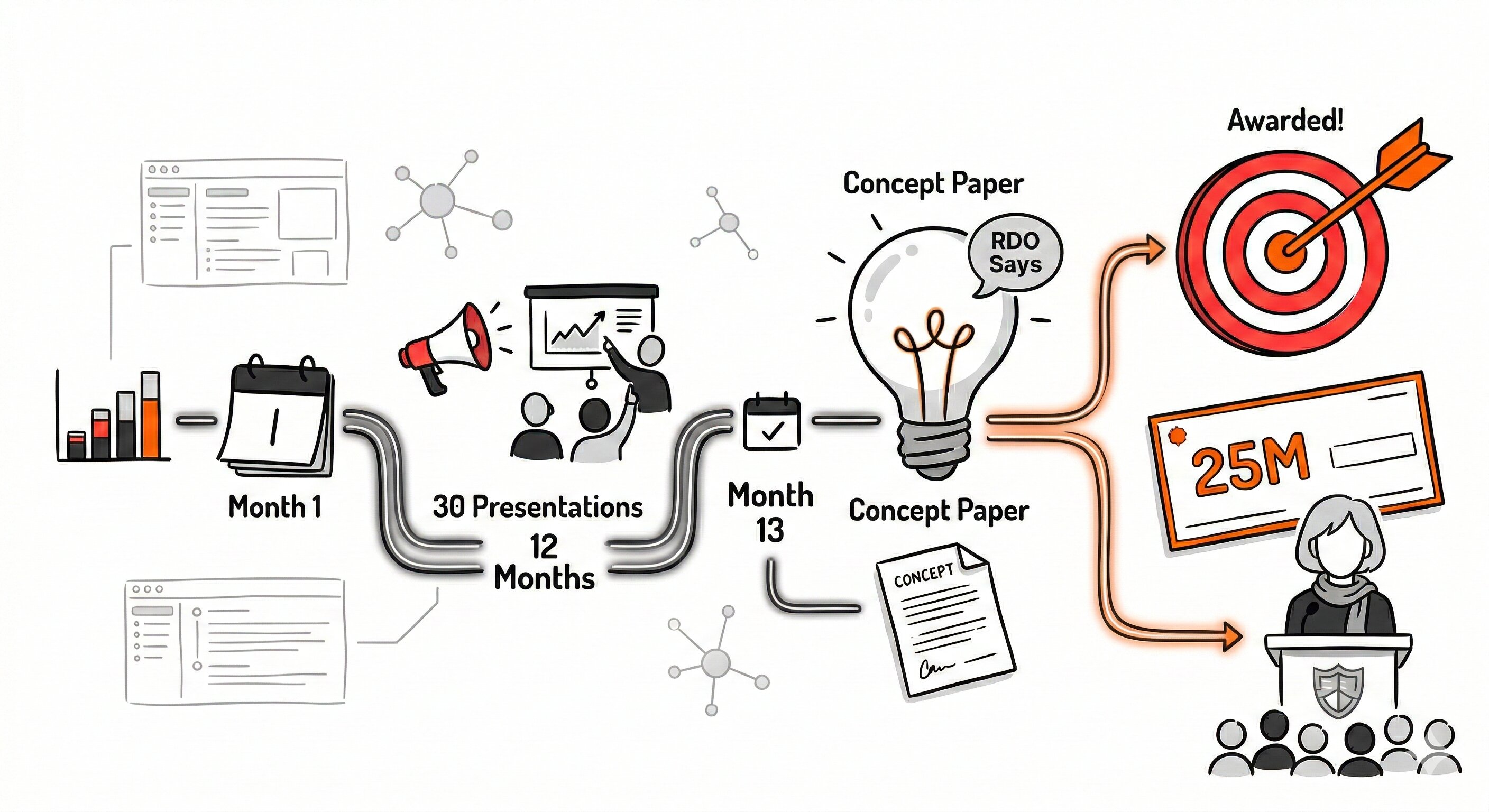
Kimberly shared a success story regarding the long-term awareness campaign for the launch of ARPA-H.
- The Problem: Institutions often wait for a NOFO to be released before preparing, leading to a reactive scramble.
- The RD Solution: A year-long awareness campaign consisting of 30 presentations to Associate Deans and faculty before the first call was ever released.
- The Outcome: An investigator was ready on day one with a $25 million concept paper. He secured the first-ever award made by ARPA-H, which resulted in a campus visit from Dr. Jill Biden to announce the funding.
Overcoming Resistance and "Internal Advocacy"
Resistance to RD reporting often stems from the difficulty of claiming credit for an award. Kimberly emphasized that while RD is rarely the exclusive cause of an impact, it is a critical influencer. She recommends that RD professionals take their freshly printed, professionally designed impact reports to their bosses as a tool for internal advocacy.
Access the EMERGE Resource Library
To dive deeper into the guides for NIH R15/R16, NSF Career Awards, and Assessing the Impact of RD, you can access the EMERGE library, the first national collection centering the voices of MSIs and ERIs.
Download the Resource: EMERGE Resource Library
Access Kimberly's Presentation
To dive deeper into the insights and strategies discussed in the webinar, you can access Kimberly Eck's full slide deck directly below.
Download Kimberly's Presentation: Assessing the Impact of Research Development
Moving Forward
The future of research development relies on intentional trust-building and strategic storytelling. As federal agencies evolve, you can no longer rely on manual spreadsheets to track your impact.
Book a demo to see how Atom Grants can help you move from a reactive state of tracking deadlines to a proactive state of driving discovery.
Dr. Kimberly Eck
Associate Vice President for Research, Emory University
Dr. Kimberly Eck is a leader in the research development field and the lead author of Assessing the Impact of RD. She serves as an editor for the EMERGE library, focusing on equipping minoritized and emerging research institutions to grow their enterprises.
Tomer du Sautoy
Co-Founder & CEO, Atom Grants
Helping universities modernize research development with AI to reduce admin burden, increase faculty engagement, and improve proposal success.
LinkedIn: https://www.linkedin.com/in/tomer-du-sautoy/
Contact: tomer@atomgrants.com
Location: New York