The Research Development Newsletter
A practical workshop on creating a sustainable system for finding opportunities, organizing content, and using AI to streamline newsletter production.
April 22, 2026
For many research development offices, newsletters are either inconsistent, rushed, or abandoned because they feel like one more impossible task. Kate Duggan has spent years proving the opposite: when the workflow is structured and AI is used intentionally, newsletters become a reliable strategic asset, not an administrative burden.
At Northeastern University, Kate has built a repeatable system that helps research-active faculty discover funding opportunities, honorific awards, student opportunities, and research events on a consistent schedule. The breakthrough was not replacing human expertise. It was removing friction.

Meet Kate Duggan
Kate Duggan is Associate Director of Research Development at Northeastern University. She has spent years producing research newsletters and refining her process through trial, iteration, and direct feedback from her audience.
Her approach is practical: define your audience, send on a predictable cadence, organize content in advance, and use AI to accelerate formatting and drafting while keeping human judgment in control.
Why Most Research Newsletters Break Down
Most teams do not struggle because they lack commitment. They struggle because newsletter production is fragmented across inboxes, bookmarks, meeting notes, and memory.
The result is familiar:
- Deadlines get missed.
- Great opportunities get discovered too late.
- Communication becomes reactive instead of strategic.
Kate's core insight is simple: consistency matters more than perfection. A short, dependable newsletter outperforms a long, irregular one every time.
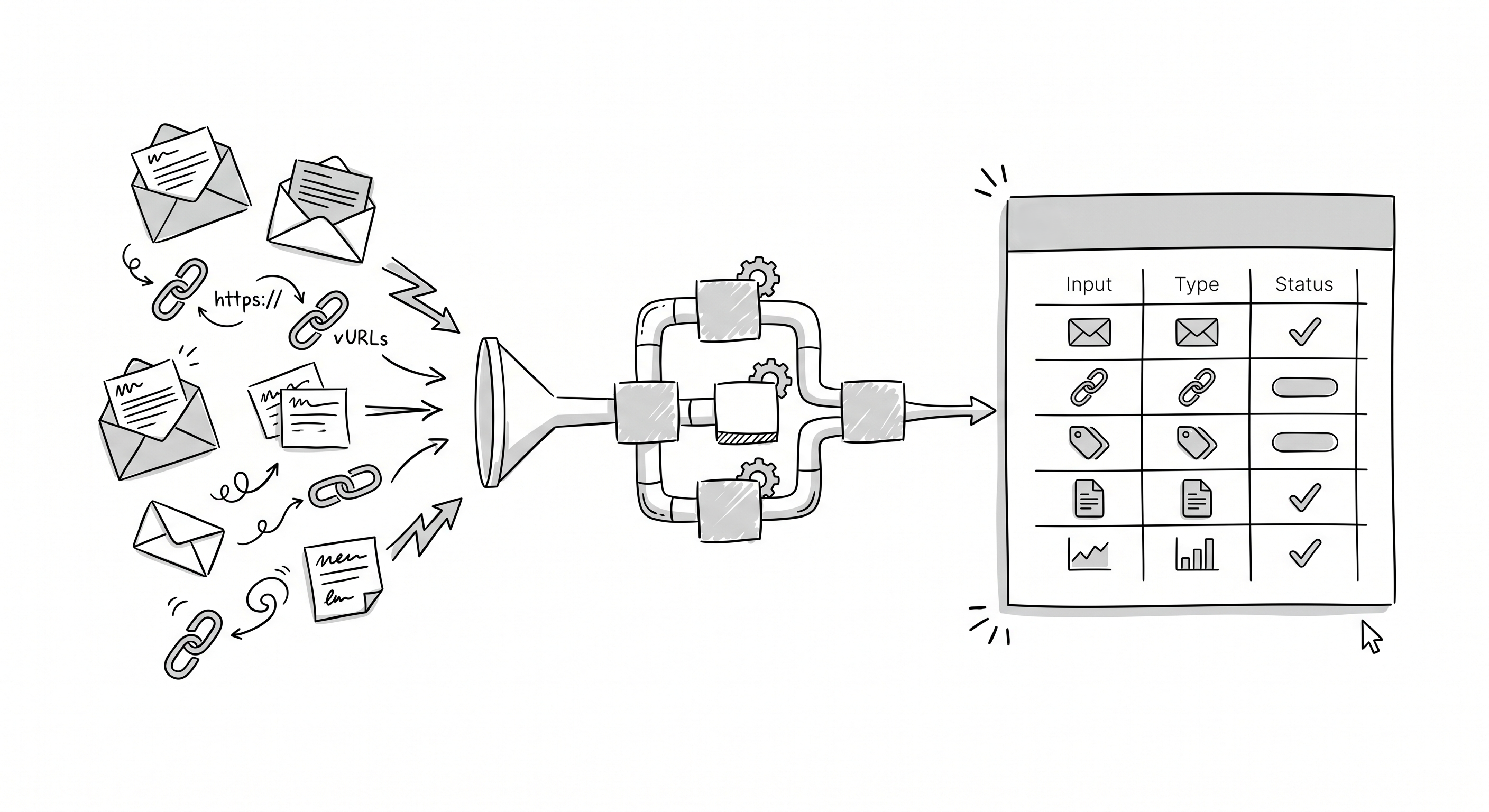
The Newsletter Playbook: Moving from Reactive to Strategic
Instead of rebuilding every issue from scratch, Kate shifted from reactive drafting to a proactive system built around four key pillars:
- Strategic Audience Focus: Clarifying exactly who the newsletter serves and defining a reliable publishing cadence before picking up any tools.
- Centralized Organization: Moving away from inbox clutter and relying on memory. By utilizing a "living backlog" of content, you can easily track deadlines, plan ahead for spikes in workload, and delegate assembly smoothly.
- Targeted AI Assistance: Integrating AI not to write the entire newsletter, but to accelerate tedious drafting steps. With properly formatted prompts, you can turn a source link into a tight, newsletter-ready blurb in seconds.
- Mandatory Human Oversight: Keeping human review absolutely central to the process. AI handles the heavy lifting of formatting, but human eyes verify critical elements like exact deadlines, award amounts, eligibility constraints, and program requirements.
By systemizing the inputs, the actual assembly of the newsletter becomes remarkably fast and low-friction. This allows Kate to spend her time being strategic instead of struggling over newsletter layouts.
To get the step-by-step process of how Kate operates this system, including the exact structure of her content repository and the prompts she uses, we put together a comprehensive guide for you to steal and implement at your own institution.
Interview Recap & Next Steps
Reflecting on the conversation, Kate's advice is clear: if you are struggling to find content, your faculty likely are too. That is exactly why a consistent newsletter matters. Start with what you have. A brief edition with a few relevant items creates immediate value and reinforces reliability.
By adopting a structured system of collection, reviewing, and targeted AI generation, you can transform your newsletter from a dreaded chore into a powerful strategic asset.
👉 Ready to build your own? Download the Full Step-by-Step Newsletter Playbook Here
Using Atom's AI System to Streamline Funding Discovery
Newsletter systems work best when the discovery pipeline feeding them is strong. Many institutions still face the same bottlenecks:
- Manual searching across fragmented databases.
- Delayed distribution of opportunities.
- Heavy administrative overhead for research teams.
If these pain points sound familiar, explore our case studies to see how institutions use Atom Grants to move from manual tracking to automated, high-impact research development workflows. To see how this could fit your office, book a demo.
About Kate

Kate Duggan
Associate Director of Research Development, Northeastern University. Kate leads newsletter and communication practices that help researchers discover and act on funding opportunities more effectively. Her work focuses on building sustainable workflows that blend editorial rigor, operational consistency, and practical AI support.
LinkedIn: https://www.linkedin.com/in/katherineduggan/
About the Author

Raphael Bernier
Head of Growth, Atom Grants
Helping universities modernize research development with AI to reduce administrative burden, increase faculty engagement, and improve proposal success.
LinkedIn: https://www.linkedin.com/in/raph-bernier/
Contact: raphael@atomgrants.com
Location: New York
More Blog Posts
The 10 Best Grant Databases for 2026
For universities, researchers, and nonprofits
Read post
Welcome to the team!
Meet our VP of Academics and Senior Software Engineer
Read post
SRAI Annual Meeting 2026
Leading Research Development in the Age of AI Panel
Read post
Introducing Admin Analytics
The numbers we bring to your check-ins, now in Atom whenever you need them.
Read post
NIH AI Policy: New Rules of AI in Proposal Development
Inside the 2026 NIH policies reshaping how researchers write grants and proposals.
Read post
Budgets, in Atom
A workspace for the whole budget: the spreadsheet, the justification Atom AI can write for you, and the funder rules that grade both.
Read post
Atom AI Reviewer
A funder-grade read of your whole proposal, before anyone else sees the draft.
Read post